NOTES
Issue 003
Measurement & Technology
Can a Photo Really Measure You More Accurately Than a Tape?
Dresilo Studio · July 2026 · 5 min read
60+
Measurements
calculated from a single photo
2
Minutes
from photo to finished measurements
0
In-person fittings
required, anywhere in the process
A tape measure sounds foolproof. In practice, it depends entirely on who is holding it — how tight, at what angle, against which landmark on the body. Two people measuring the same man can come back with two different numbers. A photo, read by the same method every time, removes that variable entirely. It doesn’t get tired, doesn’t guess, and doesn’t pull the tape a little too snug because the room is cold.
What the camera actually sees, and what it doesn't
01
A skeleton, not a snapshot
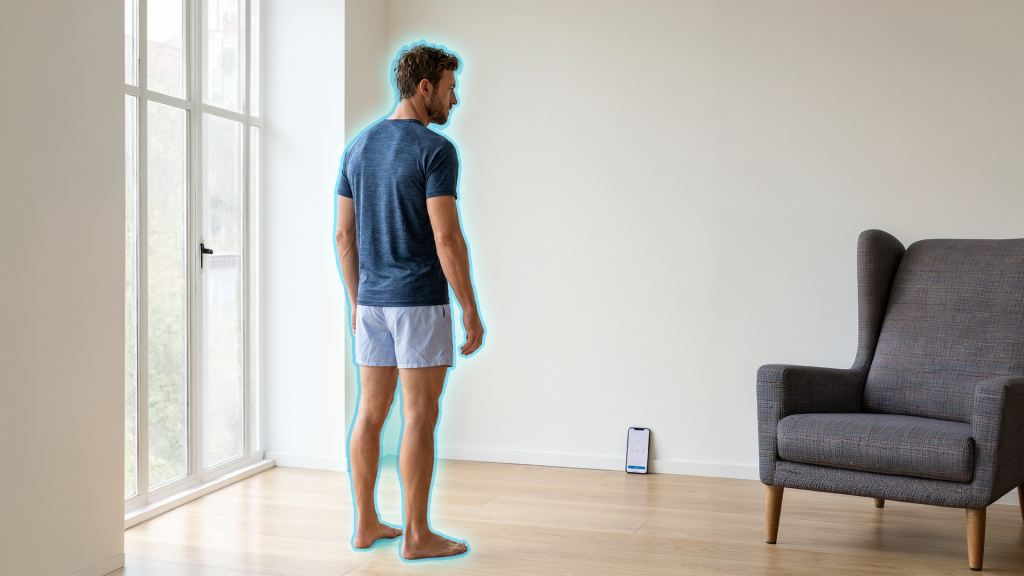
The photo itself is never what gets measured. The system maps your body onto a set of reference points — shoulder edges, waist, chest line, wrist, the base of the neck — the same anatomical landmarks a tailor would feel for by hand. From those points, combined with your height, weight, and a small amount of additional input, it calculates the twelve measurements a pattern is drafted from. The photo is the raw material; the measurement is the output.
02
Why it can beat a tape in untrained hands
A tailor’s tape is only as accurate as the person using it, and most people have never measured a body in their life. Tension is the usual failure point — pulled too tight, the chest measurement comes back small; left too loose, a shirt arrives baggy. The camera-based method applies the exact same calculation to every photo, with no variation in pressure, angle, or confidence. It isn’t smarter than a skilled tailor. It is more consistent than someone doing this for the first time, which is most people ordering a shirt online.
03
What you actually have to get right
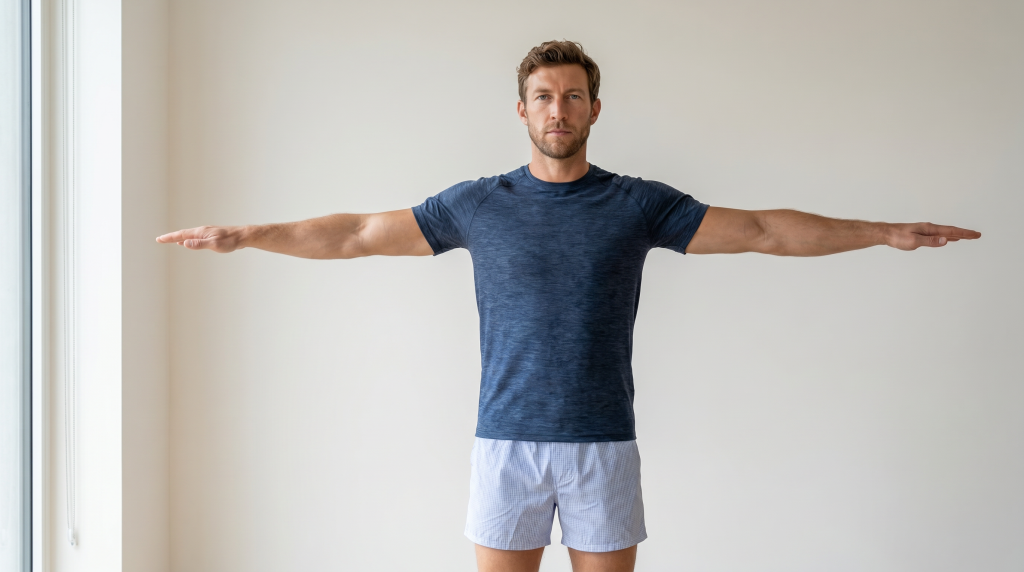
The method only works within certain conditions, and they are deliberately simple: stand at the correct distance from the camera, in the posture shown in the guide, wearing something fitted rather than a baggy t-shirt or jacket that hides your real shape. Bad lighting, a slouched pose, or loose clothing over your real silhouette are the only things that genuinely throw the calculation off — which is also why we ask for the photo to be retaken if any of those conditions aren’t met, rather than guessing through them.
04
From data points to a cutting pattern
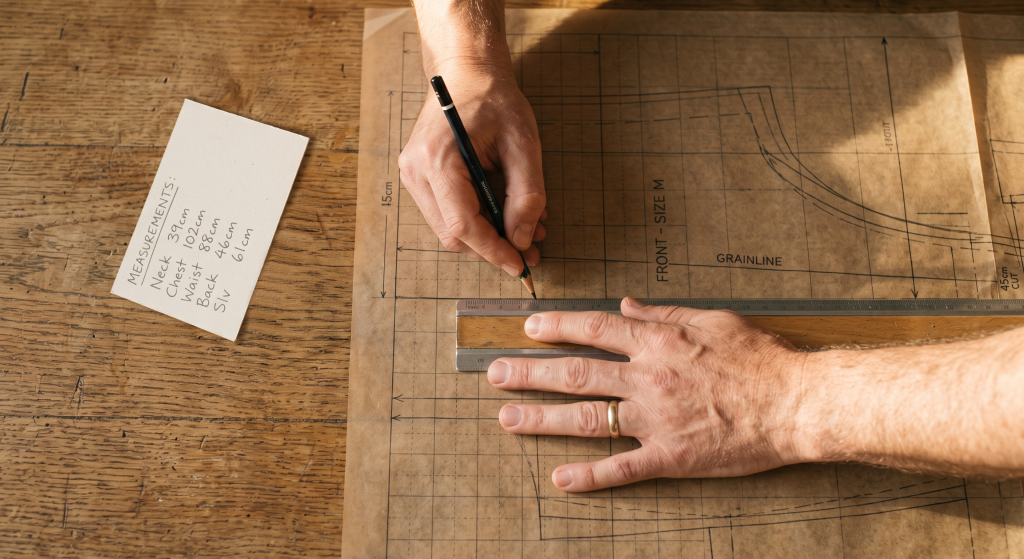
Once the twelve measurements are calculated, they don’t sit in a database waiting to be approved — they go directly into drafting your pattern, the same way a tailor’s handwritten measurements would. Shoulder width sets where the seam falls. Neck circumference sets the collar. Sleeve length is cut to your arm, not to the nearest size up. Nothing in between the photo and the pattern is estimated a second time.
05
What happens when something looks wrong
Not every photo is usable, and the system is built to know the difference. If the angle, distance, or lighting falls outside what the calculation needs, you’re asked to retake the photo before anything is drafted — never asked to accept a guess. A shirt cut from bad data is the one outcome the process is specifically designed to avoid, even if that means one extra step before the order can move forward.
"The photo is never what gets measured. The points on your body are — the same ones a tailor would find by hand."
So does it actually work?
The honest answer is: only if both sides do their part. The method removes the human error that comes from an untrained hand holding a tape — pressure, angle, confidence. It doesn’t remove the need for a clear photo, taken the right way, in fitted clothing. Get that part right, and the twelve measurements it produces are the same ones a pattern has always needed. The camera didn’t replace the tailor’s eye. It replaced the tape measure.
That’s the actual claim behind “measured from a photo” — not magic, not a shortcut, just a more consistent way of finding the same twelve numbers a shirt has always been built from.
"A photo doesn't make the measurement smarter. It makes it the same, every single time."
Find your shirt
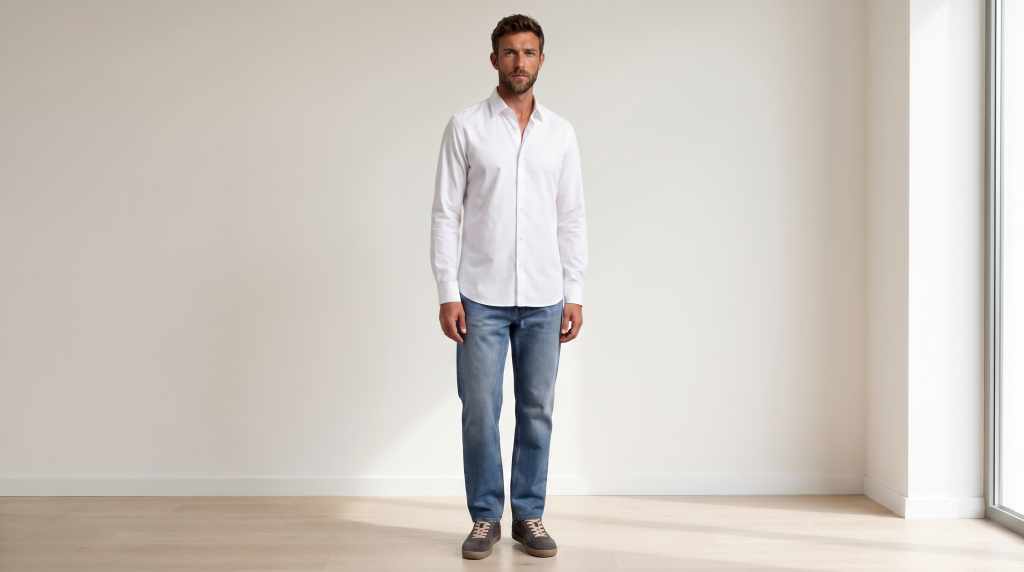
Dresilo’s shirts are cut from a pattern drafted for your twelve measurements — calculated from a photo, not estimated from height and weight alone — in fabric made to French and Italian standards, sewn in the Paris region. Not sure which fabric or fit is right for you? The Shirt Finder takes five questions.