
NOTES
Issue 003
Craft & Value
Why Does a Made-to-Measure Shirt Cost More Than Ready-to-Wear?
Dresilo Studio · June 2026 · 5 min read

12
Measurements — needed for a true custom pattern
1
Pattern — drafted for one body, not picked off a size chart
0
Standard sizes — used in genuine made-to-measure
A ready-to-wear shirt is built around an average body, in a handful of fixed sizes, on a production line designed to move fast. A made-to-measure shirt starts from a different premise entirely: one pattern, drafted for one person, made by hand-led methods that simply take longer. That difference shows up in the price — but it should also show up in the shirt. Not all “made-to-measure” does.
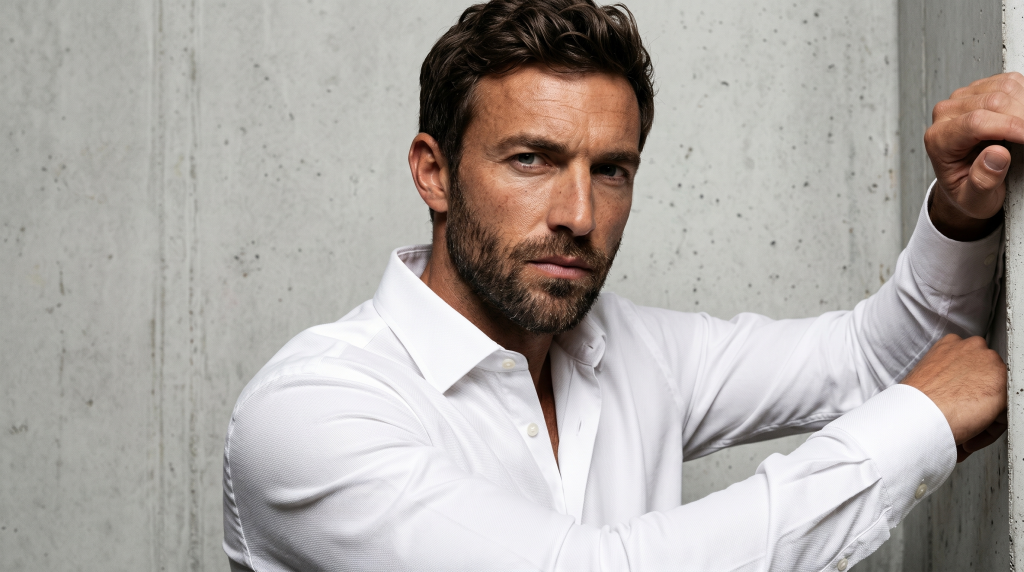
What the price difference is actually made of
01
The pattern
This is the part worth checking first. A real made-to-measure pattern is drafted from a full set of individual measurements, taken for one person and used for no one else:
- Total body length
- Back length
- Chest, waist and hip circumference
- Neck circumference
- Sleeve length
- Elbow and wrist circumference
- Back width
- Waist height
- Shoulder width
Some brands that use the term “made-to-measure” are actually doing something closer to “made-to-order”: picking the nearest size from a standard grid and adjusting one or two numbers. That can still be a perfectly good shirt. It is not the same product, and shouldn’t carry the same price.
02
How the measurements are taken
This step decides whether the shirt fits the first time. Some made-to-measure services ask only for age, height, and weight, then estimate body shape and sizing from those three numbers. That’s an estimate, not a measurement — two people of identical height and weight can have very different body shapes, which is exactly why a first shirt ordered this way so often gets sent back for a refit.
A more accurate approach combines a photo with basic data — age, weight, gender — and calculates actual body proportions from it, the same way a tape measure would, and in some cases more precisely than measurements taken by hand. It’s also what makes a genuinely remote made-to-measure process possible: no in-person fitting, no guesswork, just measurements calculated from what the body actually looks like.
03
The fabric
Quality fabric is judged by how it holds colour, structure, and drape over years of wear and washing — not by how it feels on a hanger in week one. The better mills, regardless of country, build cloth to specific durability and finishing standards rather than to a price point. A higher price on a made-to-measure shirt should mean the fabric was chosen for how it ages, not just for how it photographs.
04
Where and how it's made
Made-to-measure can mean a small atelier giving each shirt individual attention, or it can mean an overseas facility running “custom” orders through the same assembly line as everything else, with a name plate swapped at the end. Both exist under the same label. The difference usually comes down to batch size, oversight, and how the people doing the sewing are paid — all things that cost more to get right, and all things a brand can choose to either invest in or skip.
05
The construction
Construction quality is where shortcuts are easiest to hide and hardest to see until the shirt has been worn and washed a few dozen times. Fully finished seams, a properly interlined collar and cuff, and stitching chosen for durability rather than speed all take longer to do — and all of it determines whether a shirt still holds its shape in year three, not just on day one.
"Made-to-measure" describes a process. It doesn't guarantee that every step of it was done properly."No standard size can accommodate these combinations — so the garment compromises, and you adjust."
So what should the price actually be paying for?
If a made-to-measure shirt costs more, that extra cost should be traceable to one of five things: a pattern drafted specifically for you, measurements actually taken rather than estimated, fabric chosen for how it lasts, a workshop that gives each shirt real attention, and construction built to hold up over years. When it is, the price reflects the shirt. When it isn’t, you’re paying a made-to-measure price for a ready-to-wear product.

That’s the question worth asking before any made-to-measure purchase — not “why does this cost more,” but “where, specifically, did that cost go.”
"Before paying a made-to-measure price, find out what it's actually paying for."
Find your shirt
Dresilo’s shirts are cut from a pattern drafted for your twelve measurements — calculated from a photo, not estimated from height and weight alone — in fabric made to French and Italian standards, sewn in the Paris region. Not sure which fabric or fit is right for you? The Shirt Finder takes five questions.
 English
  Suomi
Suomi  Français